 Machu Picchu Private Tours
Is the Machu Picchu First Entry Worth It?
Is the Machu Picchu first entry worth it? The 06:00 slot buys the emptiest hour on the mountain and costs an overnight below the citadel - the trade is unpacked below, with the tours that run dawn slots in the full comparison.
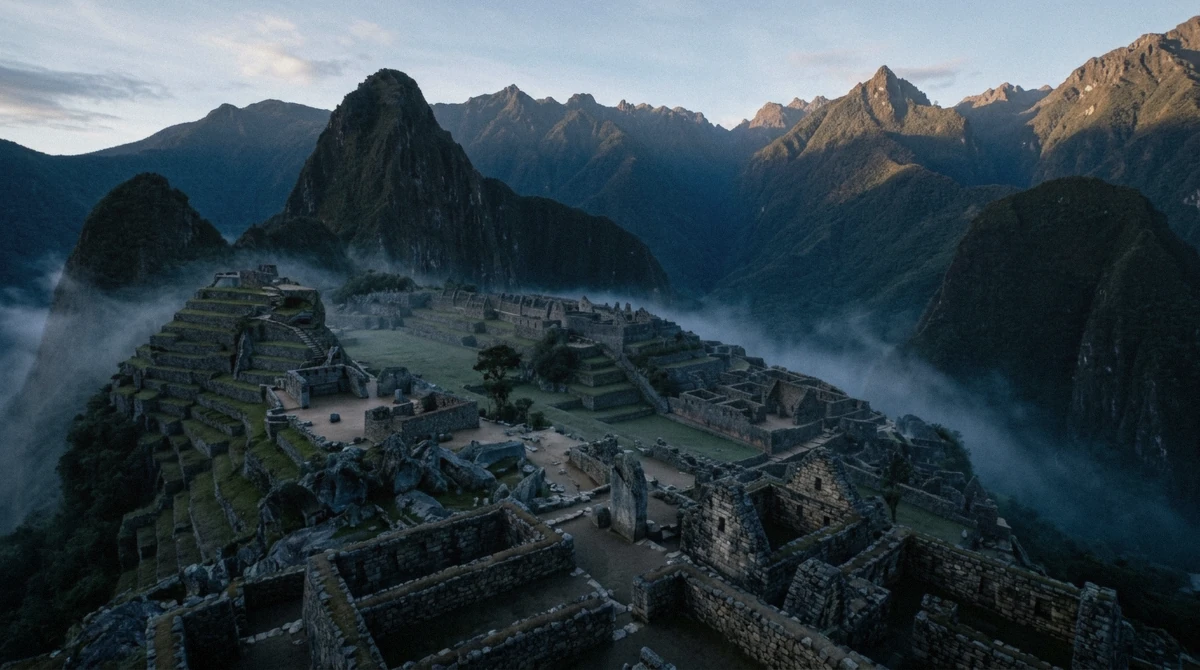
Pre-sunrise terraces on a first-entry morning: the ridge shadows hold the plaza in blue for the better part of an hour before the light crests.
Quick answer What the 06:00 slot is, what it costs, and what it buys
The first entry window at Machu Picchu admits you at 06:00 - before the sun clears the ridge, in near-darkness that turns to gold within the hour. It costs you an overnight in Aguas Calientes (the first buses leave around 05:30; you cannot reach the gate at 06:00 from Cusco the same morning) and a cold-weather wake-up in the dry season. What it buys: the citadel at its emptiest, mist burning off the terraces, and the whole first hour effectively yours. Our verdict: for photographers and crowd-haters it is the best hour on the mountain; for everyone else the 07:00-08:00 slots deliver 90% of the experience with warmer air and easier logistics.
Key takeaways
- Overnight logistics are the whole game - see the Aguas Calientes guide
- First-slot tickets follow the same circuit rules - pick your route before you pick your hour
- Want a guide at dawn? The private listings run all windows - confirm the slot at booking
- The night-before timeline, tabulated: hour by hour
How First Entry Actually Works
The mechanics behind the 06:00 slot - none of them optional, all of them bookable.
The ticket, the bus, the dark
Entry windows run from 06:00 in hourly releases; the first slot enters in darkness or near-dark for most of the year. Reaching it means sleeping in Aguas Calientes: the Consettur buses start around 05:30, and the 30-minute ride puts you at the gate as it stirs. From Cusco, the earliest trains arrive too late for the first windows - which is precisely why the first-slot crowd is the overnight crowd, and why our Aguas Calientes guide exists.
What dawn feels like
Cold. Dry-season dawns at the gate sit near single digits Celsius with wind on the terraces; the wet season trades cold for mist and drizzle. Layers come off by mid-morning - the sun at 2,430 m is fierce once it clears the ridge - and the first hour's light changes the photograph every ten minutes.
The Sunrise Reality
The brochure shows the sun rising behind the citadel. The geometry says otherwise - and mist matters more.
The light is indirect
The Andes' ridgelines shadow the citadel for the first hour; the sun does not crest onto the ruins themselves until later, and from angles that vary by season. What dawn delivers is not a sun-disk-over-ruins shot but a progressio: darkness, then pink ridgelines, then mist lifting off the terraces, then hard golden light - each phase brief, each photographable.
Mist is the real variable
The citadel sits in cloud forest; on many mornings the whole site fills with fog that burns off on its own schedule. A 06:00 entry on a misty day can mean an hour of white - followed by the dramatic reveal, which is the shot of the trip if you are still there. Later slots miss both the fog and the reveal.
There is no guarantee in either direction; the overnight + first entry strategy simply buys you more lottery tickets on the same morning.
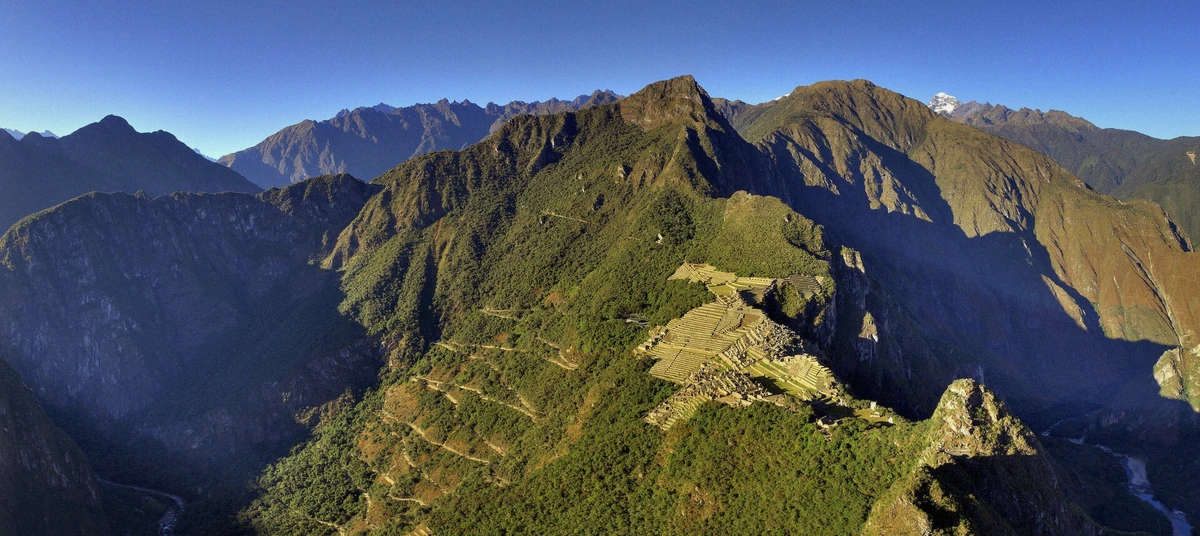
First-entry light: the ridge shadow holds the terraces in blue while the peaks catch gold. Photo: Martin St-Amant (S23678) / CC BY-SA 3.0, via Wikimedia Commons
The Crowd Curve
The first hour is the emptiest hour of the day at Machu Picchu. It does not last - and the afternoon bounce surprises people.
How the day fills
Trains from Cusco and the valley disgorge their day-trippers from roughly 09:00; by 10:00-11:00 the classic viewpoints are queue-managed and the one-way circuits move at shuffle pace. The morning thins again after lunch as the same day-trippers descend to their trains - a second, softer window in mid-afternoon before the last entries. The 06:00 slot's advantage is structural: a full hour before any of it begins.
Who Should - and Should Not - Chase the 06:00
The verdict differs sharply by traveller type. Neither answer is wrong.
Chase it when
Photography matters enough to budget two nights around it (one each side, for two dawn attempts - the mist lottery rewards repetition). Or you simply despise crowds more than cold: the first hour is the mountain's only quiet. Pair it with a private guide on an early slot and you get the emptiest citadel with the fullest interpretation.
Sleep in when
Your group includes small children or anyone who hates cold dawns; your dates are wet-season (mist odds rise, comfort falls); or the citadel is a highlight, not a pilgrimage. The 07:00-08:00 entries still beat the crowds substantially - book the second-window slot and eat a civilised breakfast first.
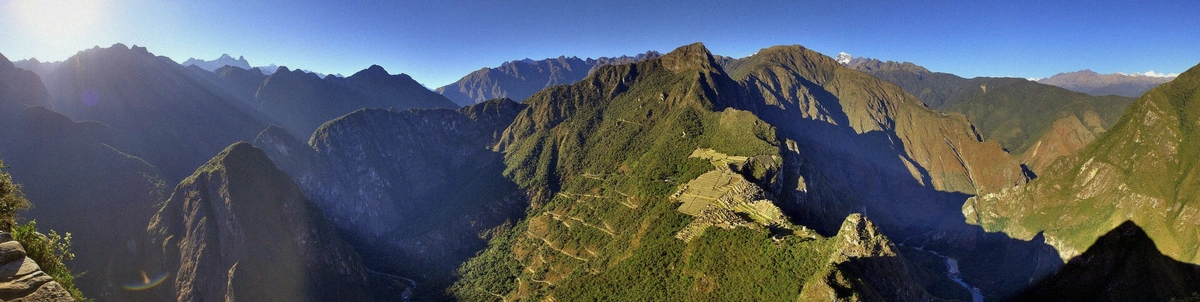
The dawn reveal, ten minutes apart - the reason the 06:00 slot has a queue before 05:30. Photo: Martin St-Amant (S23678) / CC BY-SA 3.0, via Wikimedia Commons
Dawn Practicalities: Bathrooms, Mosquitos, and the First Hour
The first hour is wonderful and logistically bare, and three facts catch every dawn crowd. Toilets sit at the sanctuary entrance only - the last facilities until you exit, which is why guides schedule the stop before the turnstile and why tissue in the daypack is not optional. Mosquitos are active at dawn and dusk in the cloud forest, more so in the wet season; repellent goes on before the bus, not after the first bite.
And the entry queue itself forms from around 05:00-05:15 at the bus stop and gate in high season - the 06:00 first window admits a genuine community, another reason the private format's route-and-pace control earns its keep in the tightest hour.
A Minute of History, Because It Explains the Rules
Machu Picchu entered world awareness in 1911, when Hiram Bingham's Yale expedition was led to the site by local farmers who already knew and used the terraces - 'discovery' is the guide's first correction on every circuit. Tourism opened in earnest after the road and hydroelectric infrastructure of the mid-twentieth century, and the site's modern era of management - the daily caps, the timed circuits, the one-way routes this page keeps referencing - is the response to popularity that peaked past 1.5 million annual visitors. The 2007 New7Wonders designation set the final seal on demand.
Every rule that shapes your dawn - windows, caps, name-matched tickets - is twenty-first-century conservation plumbing on a fifteenth-century building, and the guides who explain it well are worth their rate for that alone.
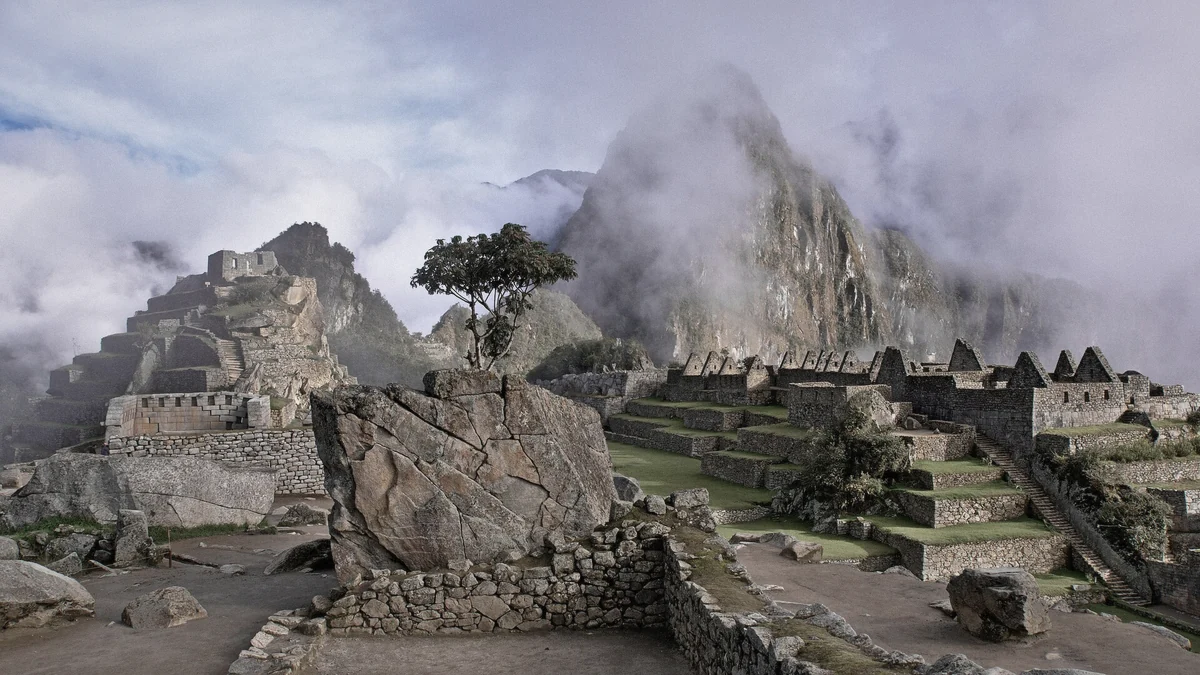
The emptiest hour of the day on the mountain: stone, cloud and nobody else in the frame. Photo: Tomas Sobek tomas_nz / CC0, via Wikimedia Commons.jpg)
The Afternoon Window: The Second-Best Kept Secret
Everything the dawn chases - emptiness, light, calm - has a modest twin in the late afternoon. The day-tripper wave recedes after lunch as trains are caught; by 14:30-15:00 the classic sectors thin dramatically, the stone warms into the day's best colour, and the wet season's clouds frequently stage their best drama over the ridges. Afternoon entries are also where ticket stock survives when the morning is sold out - the last-minute route lives on them - and the 2.5-hour window closes at closing time, not at noon.
What the afternoon cannot offer is the mist-burn-off sequence and the cold-blue emptiness of 06:00; it is the second-best hour on the mountain, priced identically and booked easier. For travellers who missed the dawn stock: this is not the consolation prize. It is a different, gentler visit - and photographers increasingly book it deliberately for the raking light.
Between the 06:00 lottery and the afternoon's warm certainty, the honest planning rule writes itself: dawn is a photography purchase, afternoon is a experience purchase, and the middle of the day belongs to everyone. Book the hour that matches what the trip needs the citadel to be - emptiness, warmth, or simply available - and treat every other opinion, including this page's, as weather-dependent advice. The mountain rotates all three days every single day of the year.
Common Mistakes, and the Fix for Each
The same errors recur across traveller reports and operator notes - each is avoidable at planning speed, which is why they earn a list rather than a footnote.
Avoid these eight
- Booking the 06:00 window from a Cusco bed - no morning train makes the first window; the entry requires the overnight, full stop
- Dressing for the daytime forecast - dawn at the gate sits near single digits Celsius in the dry season; the cold is the slot's tax
- Queueing at 05:55 - the first buses fill from 05:15 in season; late-comers start the citadel already behind
- Expecting the sun to rise behind the ruins - ridgelines shadow the citadel for the first hour; the show is mist and gradient, not a sun disk
- Leaving when the mist stays - burn-off has its own schedule, and the reveal after a white hour is the trip's best photograph
- Forgetting the toilet stop - facilities sit at the entrance only; the window has no mid-course options
- Booking the first window without a circuit plan - dawn favours Circuit 1's panoramas; deciding route at the gate is how mornings go wrong
- Ignoring the afternoon alternative - the 15:00 entry is the second-emptiest hour and books when the dawn cannot
- Buying the dawn ticket before booking the town bed - the bed sells out first in high season, and the ticket without the bed is a very cold haircut
- Planning photography around sunrise time alone - the ridge shadows hold the light back an hour; plan around mist, not ephemerides
- Leaving the warm layer on all morning - the citadel swings twenty degrees by ten; the daypack exists for the layer you shed
- Booking the dawn after a late-arrival evening train - the pre-dawn needs the full night; same-evening arrivals walk the town instead
- Assuming the dawn visit skips the guide - the private listings run all windows, and dawn is when the good ones earn their rate
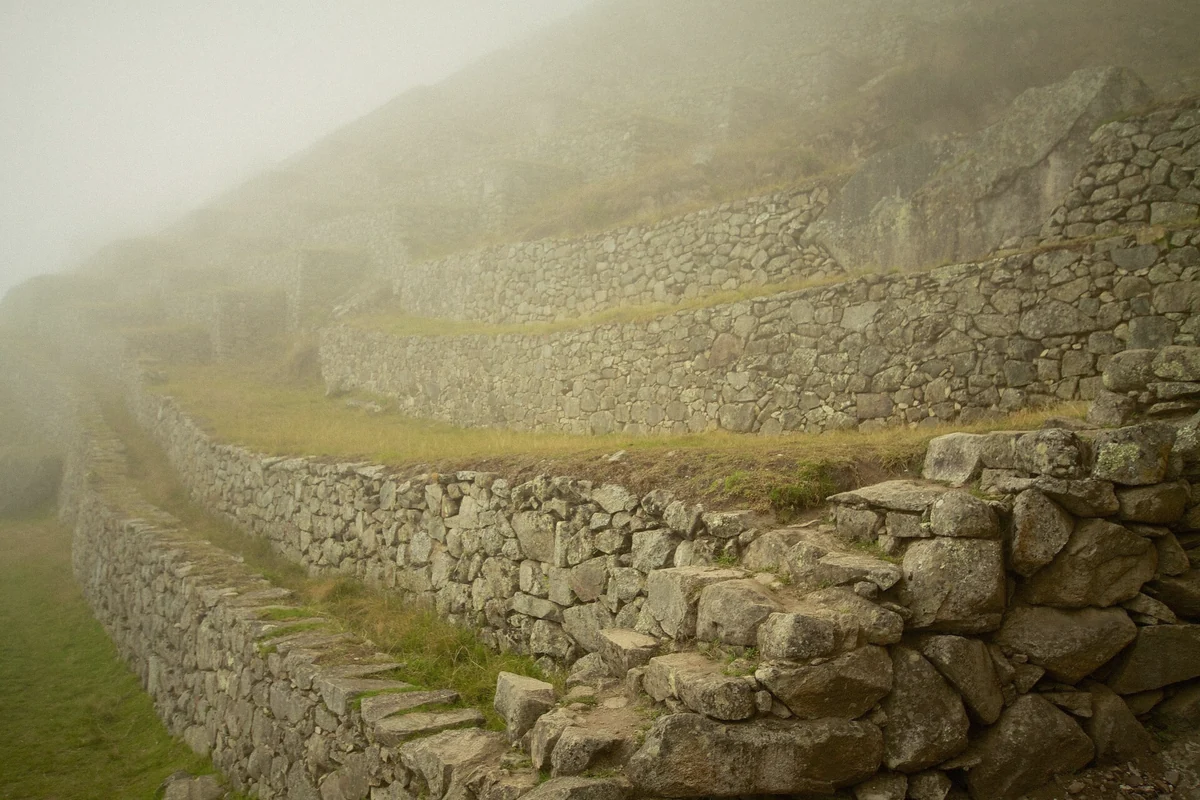
The burn-off beginning: mist thins sector by sector, and the patient get the layered shot. Photo: McKay Savage from London, UK / CC BY 2.0, via Wikimedia Commons.jpg)
Frequently Asked Questions
What time is the first entry slot at Machu Picchu?
06:00 - the first of the hourly morning windows. Reaching it requires overnighting in Aguas Calientes, since the first buses leave around 05:30 and no same-morning train from Cusco arrives in time.
Can you actually see the sunrise over Machu Picchu?
Indirectly - the surrounding ridges shadow the citadel in the first hour, so you get a staged reveal (dark, pink ridges, mist burn-off, hard gold) rather than a sun disk behind the ruins. The indirect light and mist are precisely what photographers chase.
Is the first Machu Picchu entry slot worth the extra hotel night?
For photographers and crowd-averse travellers, yes - the first hour is the emptiest and the light is singular. For most visitors the 07:00-08:00 slots deliver a near-identical experience with warmer air and no pre-dawn bus. Budget the extra night only if dawn matters to you.
How cold is Machu Picchu at dawn?
Dry-season gate temperatures sit near single digits Celsius before sunrise - cold in the wind on the terraces, warming sharply once the sun clears the ridge. The wet season is milder but misty and drizzly. Layers, gloves and a warm hat for the wait, stripped by mid-morning.
Do guided tours run in the first entry slot?
Yes - the private listings here guide all windows, with the meeting point and slot confirmed at booking. A dawn private visit pairs the emptiest citadel with a guide who manages the mist window; confirm your entry hour explicitly when booking.
The Night Before, Planned
A first-entry morning is won the evening before. The working plan assumes the afternoon train in, a plaza-adjacent bed, and an alarm set with margin - the town's pre-dawn queue moves on bus capacity, not wishes.
Hour by hour, the evening and the morning
Times flex a few minutes with season and queue; the shape holds.
| When | What | Why it matters |
|---|---|---|
| 16:00-17:00 | Afternoon train into Aguas Calientes | Beats the day-tripper rush; keeps the evening calm |
| 18:00-19:00 | Confirm meeting point with your guide or operator | The last logistics of the trip, done sober and unhurried |
| 20:30 | Dinner done, kit laid out, water filled | Kitchens close early; mornings are for moving, not searching |
| 05:00 | Wake, coffee, layers on | Cold at the gate even in spring months |
| 05:30 | Join the bus queue (or walk if your hotel is high) | First buses fill with the whole first-entry crowd |
| 06:00 | Gate opens - first entry window | The emptiest hour Machu Picchu ever offers |
The Mist Contingency
Cloud forest makes its own weather: some dawns are crystal, others fill the whole citadel with fog. Neither is a failure - they are different photographs and different mornings - but the plan should say what happens at 07:00 when the plaza is white.
Three honest options
Wait: mist often burns off within the hour, and your ticket's window covers it - the patient play. Adapt: your private guide reorders the circuit's sectors so the sheltered, atmospheric shots come first. Or bank it: travellers with two nights below the citadel simply try again the next morning - the repeat-attempt strategy is why photographers budget two dawns for one sunrise.
The wet season raises the mist odds and the dry season lowers them; neither guarantees anything, which is the honest core of the first-entry decision.
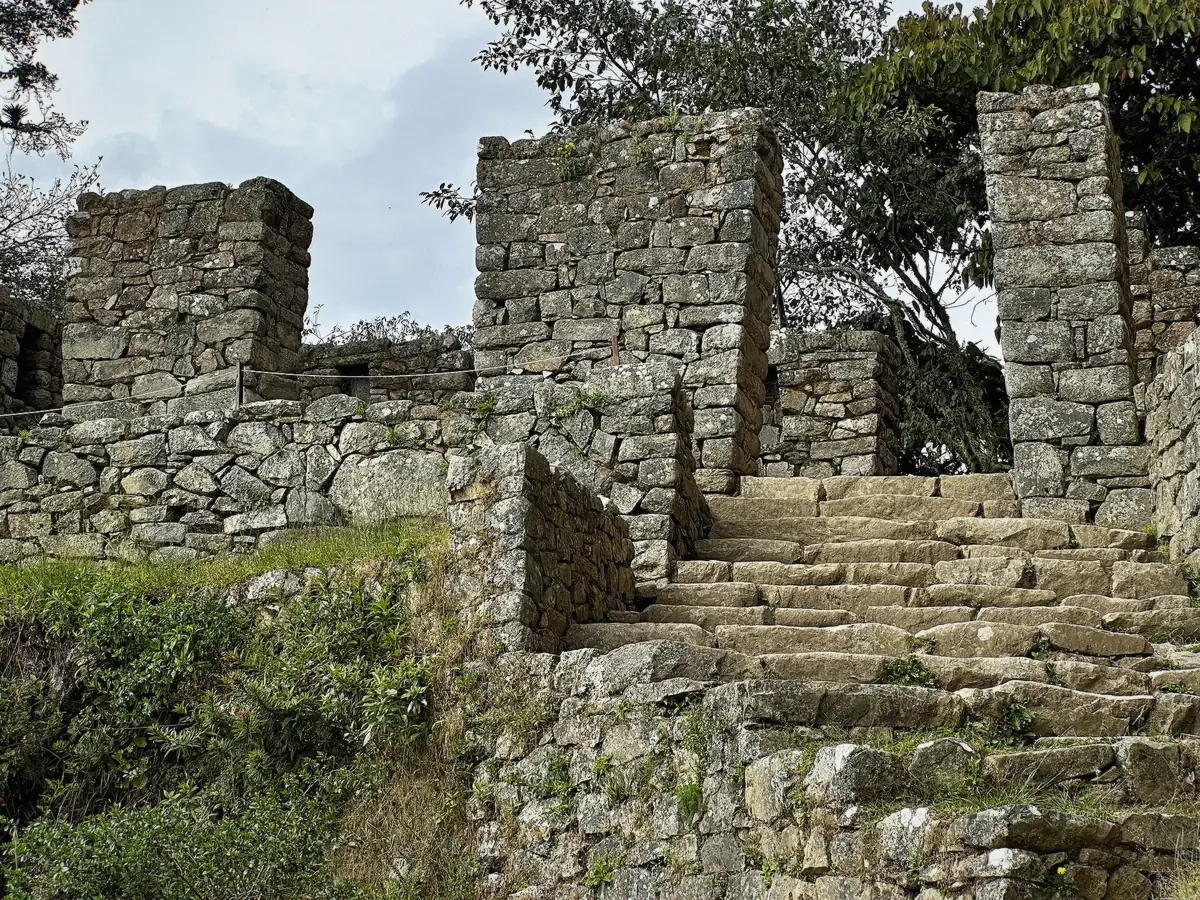
Intipunku, the Sun Gate: the trekking route's arrival view, a second-circuit climb from the citadel. Photo: Steve FUNG / CC BY-SA 4.0, via Wikimedia Commons.jpg)
Two Dawns: The Photographer's Double
Serious photographers rarely bet the shot on one morning. The two-dawn plan - two nights in Aguas Calientes, two first-entry tickets on different circuits - doubles the mist lottery for a little more than the cost of one premium hotel night.
How the double works
Tickets are per-day, so each dawn needs its own entry - ideally on different circuits, which turns the second morning into a different composition rather than a repeat: Circuit 1's postcard terrace on day one, Circuit 2's temple depth on day two (or the reverse, depending on which the circuit stock allows). The town rewards the pattern: the first evening settles you, the first dawn teaches you the light, the day between is for editing and the hot springs, and the second dawn is where the keepers usually happen.
What it costs, honestly
One extra night in town, one extra ticket, and a day of not doing anything else in Peru - that last line is the real price, and it is why the double suits trips built around photography rather than itineraries with a schedule to serve. Travellers running it should book both entries at the same time: holding the second morning's window is exactly the kind of scarce inventory the operators' ticket hunting exists for, and two separate bookings made weeks apart can lose the pair.
First Entry, Second Thoughts
The pushback questions the dawn case deserves - answered with the same honesty as the pitch, and priced where it matters against the live listings.
Is the 06:00 crowd really a crowd?
It is the emptiest hour, not an empty hour: the first bus carries a genuine community of dawn-chasers, and the classic viewpoint wears a quiet shoulder-to-shoulder line by twenty past. What the first entry buys is not solitude but sequencing - the crowd arrives behind you, walks the circuit after you, and lets the first hour set its own rhythm. Travellers who need literal emptiness should pair the dawn slot with a private guide, whose route choices within the circuit dodge the two or three natural pinch points.
What if the whole trip can only do one morning?
Then the 06:00 calculus sharpens rather than softens: a single Machu Picchu morning argues for the first entry, because the cost is one alarm and the reward is the citadel's best behaviour. The plan that fails is the half-commitment - a 07:00 entry booked casually, a bus queue inherited from every same-day tour, and the sense of having joined the crowd halfway through its film. Commit early or sleep in properly; the overnight logistics make either deliberate.
The Dawn With Children: An Honest Note
Families ask whether the first entry works with young children, and the honest answer splits by age rather than enthusiasm. The deciding facts are cold, queues and the return journey - not the citadel, which children tend to love at any hour.
By age and by plan
Under-sevens feel the pre-dawn cold and the 05:00 wake hardest, and a miserable child at the gate taxes every traveller's morning; families in this band do better with the 07:00-08:00 entries, a real breakfast, and the same ruins in warmer light. Eight-and-up can absolutely run the dawn - and often remember it as the trip's peak - provided the kit list is taken seriously (the seasonal swaps exist for small bodies first) and the evening before ends early. Either way the family structure that works is the private format: a guide who paces to the youngest walker, photos without queue negotiations, and someone whose job is the group's clock while the parents' job is the group's morale.
The dawn with children is not a caution against first entry - it is a case for buying the support that makes it kind. Between the 06:00 lottery and the afternoon's warm certainty, the honest planning rule writes itself: dawn is a photography purchase, afternoon is an experience purchase, and the middle of the day belongs to everyone. Book the hour that matches what the trip needs the citadel to be - emptiness, warmth, or simply available - and treat every other opinion, including this page's, as weather-dependent advice.
The mountain rotates all three days every single day of the year.